- Canoe ride
- Jungle Drive
- With Elephant
- Bird Watching
- Crocodile Breeding Center
- Jeep safari
- Cultural Dance
- Ox cart ride
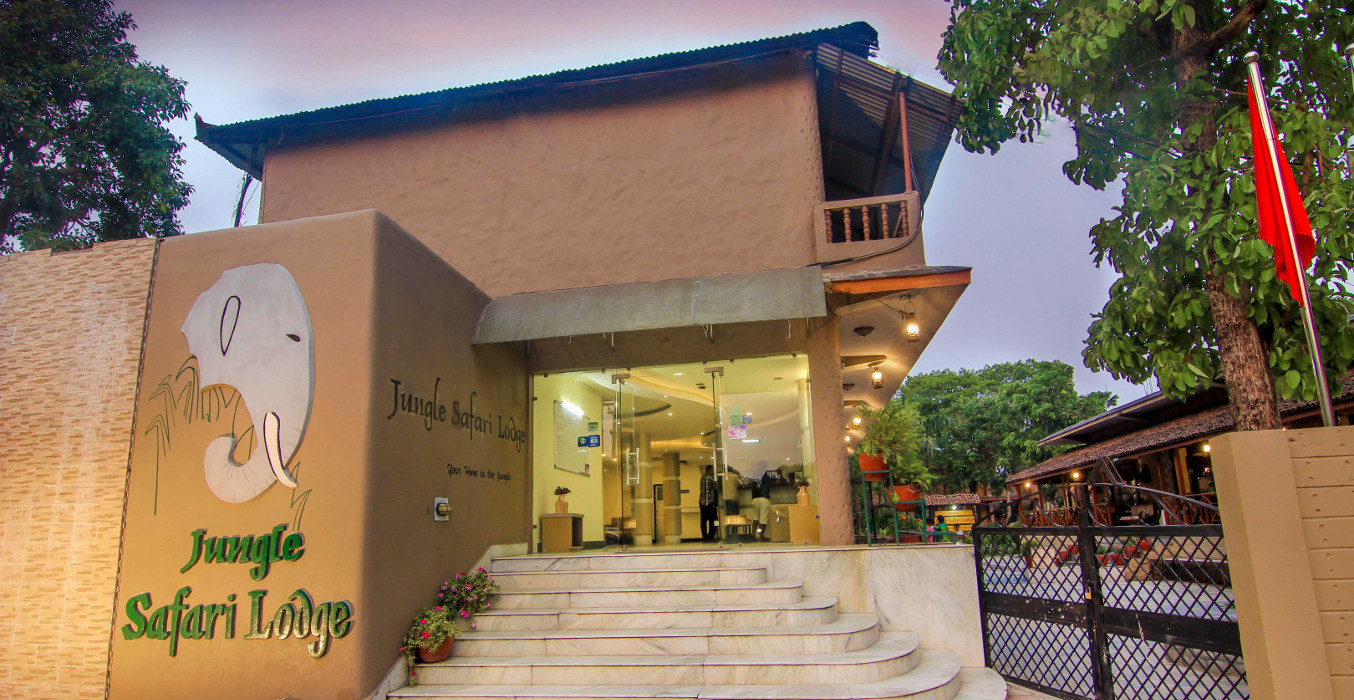
Jungle Safari Lodge

Total Rooms:
33 rooms
Room Type: Super Deluxe, Deluxe
Room Size: 20 m2
Room Type: Super Deluxe, Deluxe
Room Size: 20 m2
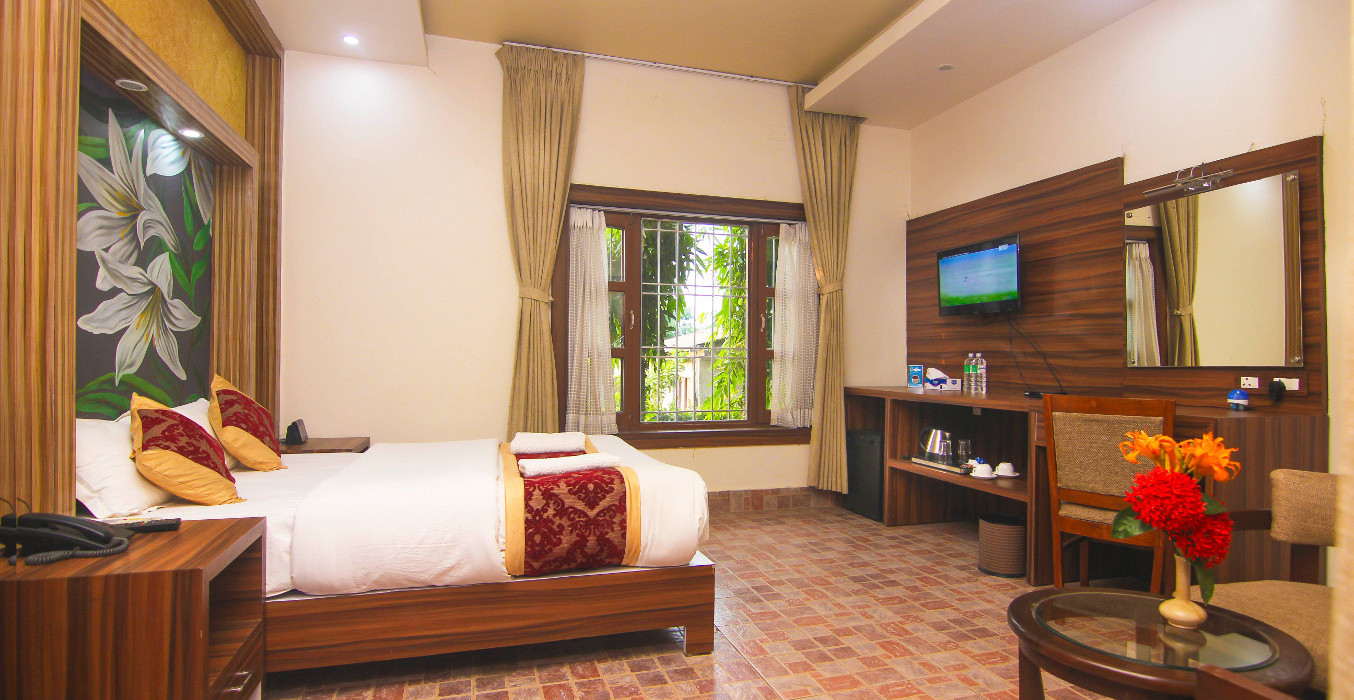
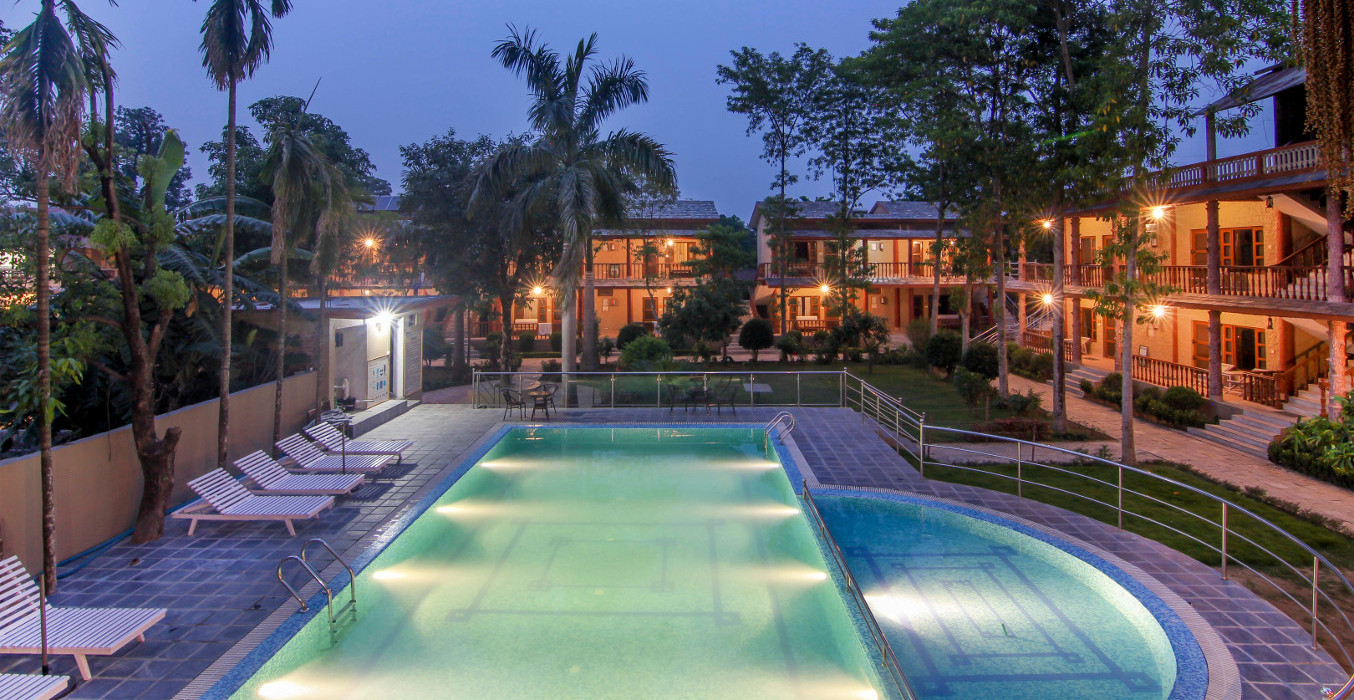
Lodge offers accommodations in cottage looking building. It has 33 deluxe rooms and 1 Suite Room each comprising of air-conditioned and well-furnished rooms with attached baths with 24 hours hot and cold water supply. Each room has a verandah with its one scenic beauty.
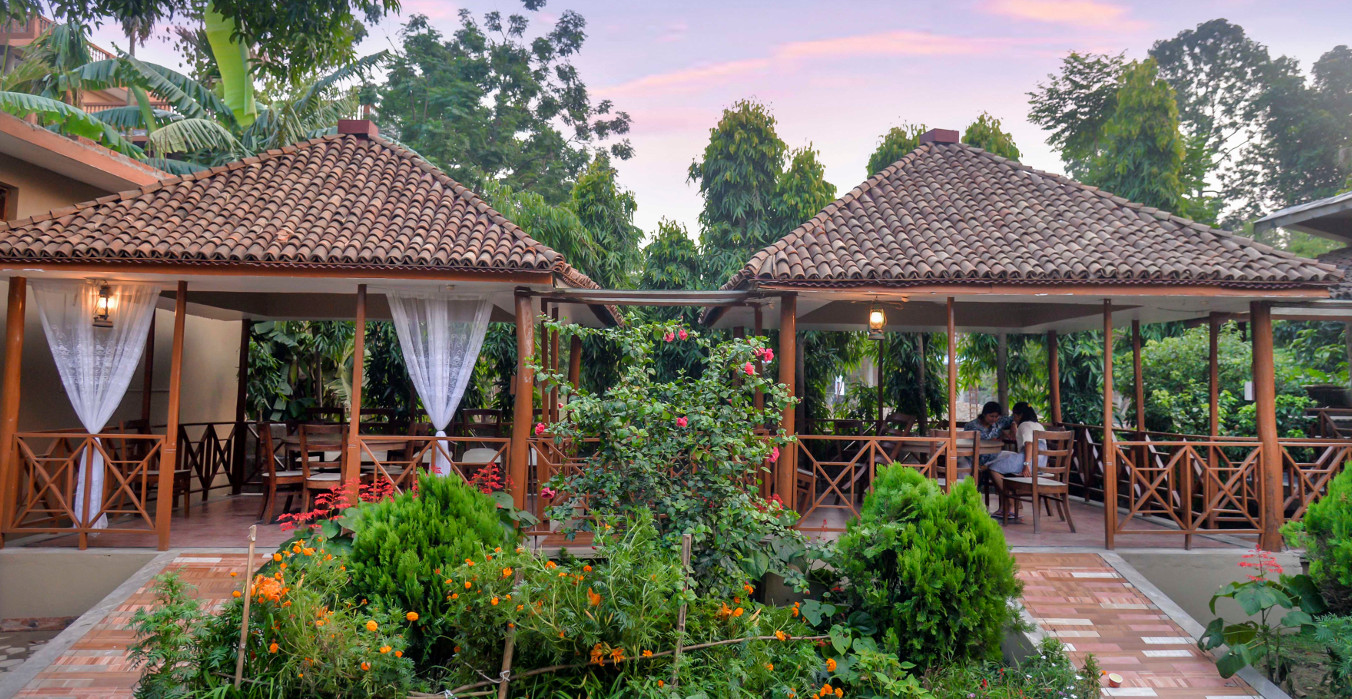
Jungle Safari Lodge have beautiful garden with full of flowers and plants. Lodge restaurant serves delicious Nepalese, Indian, Chinese and Continental cuisine. The well-trained staff is always at your beck and call, ever ready to offer you the best in services and hospitality. It offers you nature walks, Jungle Walk briefing about elephants,Bathing with them and Elephant safari. Slide show presentations,Tharu Cultural Dance Programmes, Village Tours, jungle excursions, Canoe Ride, Jungle drives/ Jeep Safari, Bird Watching tours and other wildlife related and cultural activities.
junglesafarilodge.com /
- Slippers
- Bathroom
- Shower
- Electric kettle
- Air conditioning
- Wardrobe
- TV
- Dressing room
- Wake-up call
- Garden view